

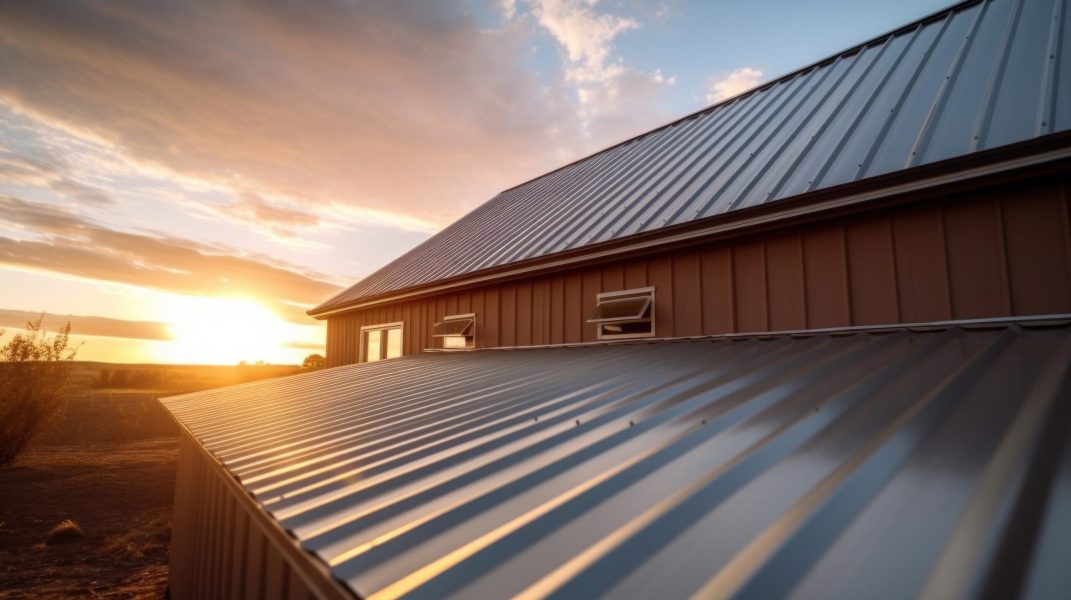
Barn roofs are some of the largest unused surfaces on rural properties. Wide, open, and often exposed to uninterrupted sunlight all day long without doing anything with it. More and more farmers and landowners are starting to ask the obvious question: why not turn that space into a source of energy?
This is exactly why solar panels for barn installations are gaining momentum. When done correctly, a barn roof can become one of the most productive assets on a property.
Unlike residential buildings, barns are usually positioned for function, not shade. They’re often located away from trees, buildings, and obstacles – making them ideal candidates for solar power. A single barn roof can offer:
Why Solar Power for Barns Makes Practical Sense
Barns already consume electricity, through lighting, ventilation, and operational equipment. Installing solar power for barn use allows that energy to be generated on-site.
In many cases, barn solar systems can offset daily electricity usage and reduce reliance on the grid. A well-designed system can turn a passive structure into an active energy producer.
Here’s where things often go wrong.
Barns may look strong, but many are built with lightweight trusses, older framing, or thin metal roofing. Traditional solar systems – heavy glass panels with bulky racking can add more weight than the roof was designed to handle.
This is especially true for older barns and agricultural buildings.
Installing the wrong type of solar panels for barn roof structures can lead to structural stress, roof deformation, and expensive reinforcement work.
This is where lightweight and flexible solar panels make a real difference.
Designed to reduce roof load, these systems weigh significantly less than traditional panels. They are adhered directly to the roof surface, are wind-resistant, and designed to withstand all weather conditions. Most of all -they work well on metal and lightweight, curved roof structures.
For many projects, choosing lightweight panels is the difference between installing solar and abandoning the project entirely.
Barn solar installations often start with a simple goal: powering the barn itself. Over time, many systems expand.
Depending on size and setup, solar panels for barn systems can help power:
Farm offices
Storage buildings
Workshops
Equipment charging stations
The same off-grid principles are used in systems like solar power for RV setups – efficient generation, smart energy use, and lightweight components adapted to the structure.
Leaving a barn roof unused isn’t just a missed opportunity; it’s wasted potential. As energy costs rise, barns are increasingly becoming part of a property’s energy strategy.
With the right approach, you can increase your property value and improve energy independence.
Barn roofs aren’t just there to keep the rain out. They’re large, sun-exposed surfaces with the potential to produce clean, reliable energy for decades.
When installed with the right system, especially lightweight solar panels like Apollo Power’s, designed for agricultural structures, solar panels for barn installations turn wasted space into a working asset. The key isn’t just adding solar, but adding the right kind of solar for the roof beneath it.
"*" indicates required fields
Can you install solar panels on a barn?
Yes. Most barns can support solar panels, provided the roof structure and condition are suitable for the system used.
What type of roof is best for solar panels on a barn?
Metal barn roofs are often ideal, especially when paired with lightweight solar panels that reduce structural load.
How much electricity can solar panels on a barn produce?
Production depends on roof size, sunlight exposure, location, and system capacity. Large barn roofs can generate significant amounts of electricity.
Do you need planning permission to install solar panels on a barn?
This depends on local regulations. Some agricultural or heritage buildings may require permits or approvals.
Build Smarter Energy Today & Discover Flexible Solar Solutions with Us
"*" indicates required fields