

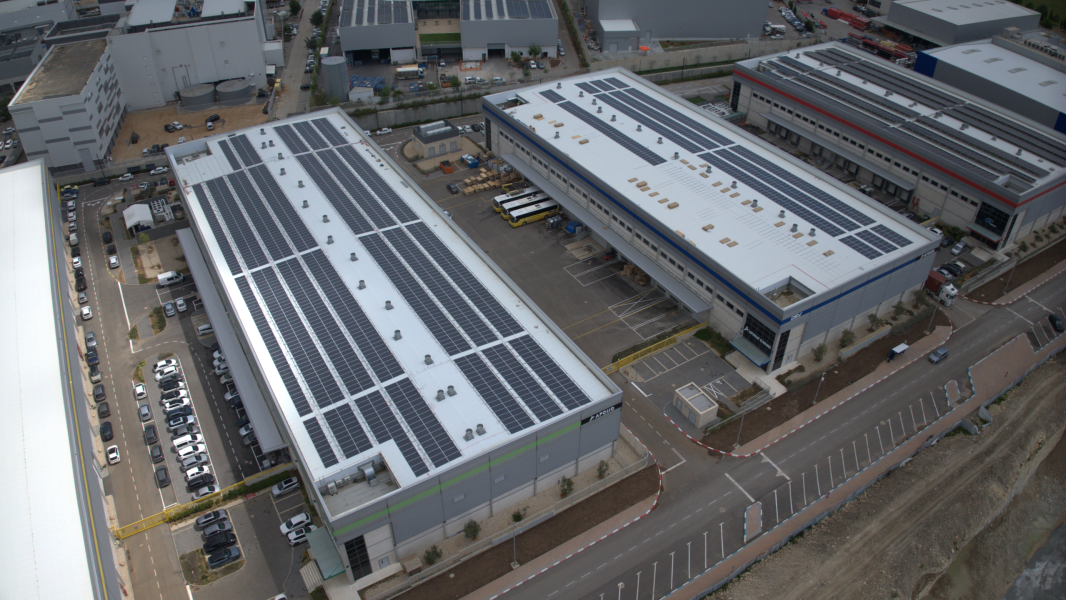
Installing solar panels on factory roofs sounds like an obvious win. Large surface area, high energy usage, and constant exposure to sunlight should make factories ideal for solar.
But when it comes to older industrial buildings, the reality is a bit more complicated.
Many factory roofs were never designed to carry heavy equipment. That means choosing the right solar system is not just about efficiency or cost. It is about making sure the solution actually fits the building.
This guide breaks down what works, what doesn’t, and how to approach solar the right way for older factory roofs.
In most cases, yes. Factory roofs are often excellent candidates for solar because of their size and exposure.
However, suitability depends on a few key factors:
Older buildings can still support solar, but not always with traditional systems. This is where the right approach makes all the difference.
Not all factory roofs behave the same way. Understanding the type of roof you are working with is the first step.
Metal Roofs
Common in industrial buildings. Standing seam metal roofs are often considered ideal for solar because they allow for non-invasive mounting. However, thinner or older metal sheets may struggle with additional weight.
Flat Membrane Roofs
Typically covered with materials like TPO or bitumen. These roofs often rely on ballasted systems, which can add significant load.
Asbestos or Fiber Cement Roofs
Found in older factories. These require special handling and may limit installation options due to safety and structural concerns.
Lightweight Industrial Roofs
Many older factories use lightweight construction to reduce costs. These roofs are the most sensitive to added weight and require careful system selection.
Before installing Solar Panels on Factory Roofs, a structural assessment is essential.
Engineers typically evaluate:
Load-bearing capacity
Roof framing and support system
Wind uplift resistance
Long-term stress on materials
Traditional solar systems can add substantial weight due to panels, racking, and ballast. In some cases, this leads to expensive reinforcement or project cancellation.
Lightweight solar solutions are often used to reduce this burden and make installation possible without major structural changes.
For older industrial structures, lightweight and flexible solar panels offer a practical alternative to traditional systems. Instead of adding heavy frames and racking, these panels are designed to keep weight to a minimum while sitting close to the roof surface. This makes them especially suitable for aging or load-sensitive factory roofs that were never built to support conventional solar installations. Flexible designs can also adapt better to uneven or worn surfaces, helping distribute weight more evenly and reduce stress on the structure. Solutions like those developed by Apollo focus specifically on these challenges, making it possible to install solar panels on factory roofs that might otherwise be ruled out due to structural limitations.
The basic principle is simple. Solar panels convert sunlight into electricity using photovoltaic cells.
In a factory setting:
Energy Output of Factory Rooftop Solar Systems
One of the biggest advantages of solar panels on factory roofs is scale.
Large roofs can support large systems, which means:
Even partial coverage can significantly offset energy usage in industrial operations.
Common Challenges and Limitations
This is where many projects run into trouble:
What Actually Works for Older Factory Roofs
For many old buildings, the solution is not avoiding solar. It is choosing a system that matches the structure. Lightweight and low-profile solar panels are often the most practical option because they reduce structural load, sit closer to the roof surface, minimize wind impact, and require less invasive installation. This approach allows more factories to adopt solar without major upgrades or risk to the building.
Conclusion
Solar panels on factory roofs can deliver significant value, but older industrial buildings need a more thoughtful approach.
The key is not just installing solar. It is installing the right type of system for the roof you have.
By understanding roof types, structural limits, and installation methods, factory owners can turn unused roof space into a reliable energy asset without compromising safety or performance.
"*" indicates required fields
Can factory roofs support solar panels?
Yes, most factory roofs can support solar, but the system must match the roof’s structural capacity. If the roof type is lightweight, you should consider using flexible and lightweight solar panels that are mounted directly to the roof and enable the structure to be suitable for solar.
How much energy do solar panels generate on factory roofs?
It depends on roof size and system design. Large factory roofs can generate significant amounts of electricity, often covering a major portion of energy needs.
What types of factory roofs are suitable for solar panels?
Corrugated metal, flat membrane, and some older industrial roofs can support solar, depending on their condition and load capacity.
How much do solar panels cost for industrial buildings?
Costs vary based on system size, roof condition, and installation complexity. Larger systems typically offer better cost efficiency per kW.
What are the structural requirements for rooftop solar systems?
Roofs must support the added weight, handle wind loads, and remain structurally stable over time.
How long does it take to install solar panels on a factory roof?
Installation time varies depending on the size of the system and the complexity of the roof. Traditional solar installations can take several weeks and may require partial shutdowns or restricted access during the process. In contrast, lightweight solar panels that are mounted directly onto the roof are typically faster to install and can often be implemented with minimal disruption, allowing the factory to continue operating throughout the installation.
Do solar panels affect roof integrity or warranty?
They can be installed incorrectly. Choosing the right system and installation method helps protect the roof and maintain warranty coverage.
Build Smarter Energy Today & Discover Flexible Solar Solutions with Us
"*" indicates required fields

Discover lightweight, flexible solar solutions.
Leave your details and let's connect.