

For many businesses, energy is one of those expenses that feels fixed. It shows up every month, fluctuates with usage, and gradually increases over time. Most companies focus on reducing consumption inside the building but often overlook one of the biggest opportunities sitting right above them: The roof.
For companies looking to reduce business energy costs, the rooftop is no longer just a structural element. It can be a powerful energy-generating asset when used correctly.
Cutting energy use sounds simple in theory, but in practice it is complicated. Businesses cannot afford to slow down production, reduce comfort, or limit operations just to save on electricity. That is why many attempts to reduce energy costs for large business operations fall short. Efficiency upgrades alone are not always enough, and operational changes often come with trade-offs.
The most effective solutions are the ones that reduce costs without changing how the business runs.
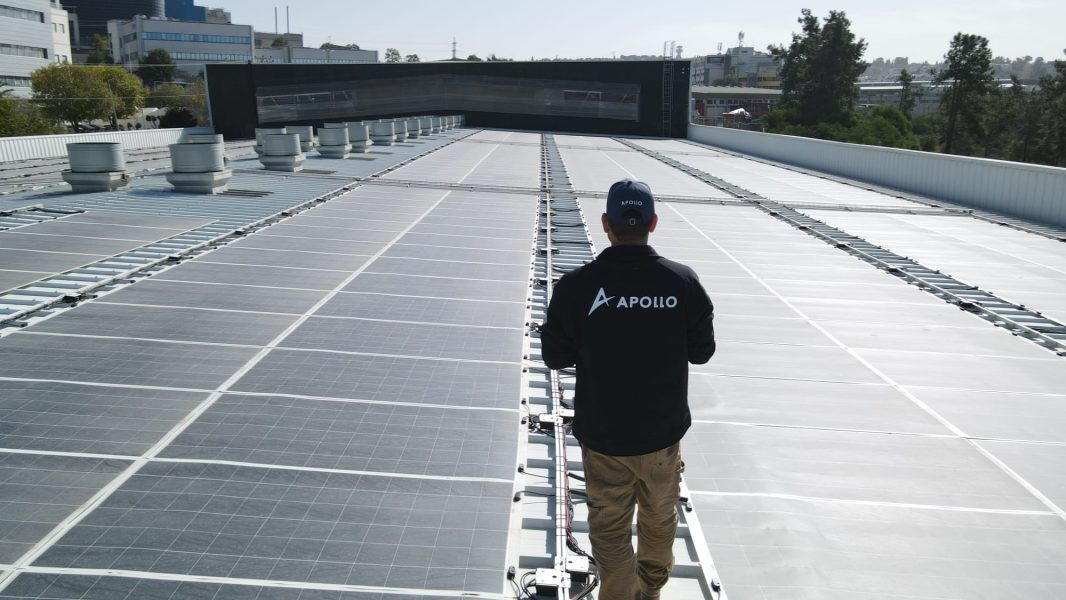
Most commercial and industrial buildings have one thing in common: large, underutilized roofs. These rooftops often offer wide, open surface areas, minimal shading, and direct exposure to sunlight throughout the day.
This makes them ideal for installing solar panels on commercial rooftops, turning unused space into a consistent source of energy.
Instead of only consuming electricity, the building begins producing it.
Installing solar panels changes how a business interacts with energy.
Instead of relying entirely on the grid:
For many companies, this is one of the most effective ways to reduce business energy costs over the long term.
While the idea of installing solar sounds straightforward, there is one critical factor that often gets overlooked: the roof itself.
Not all commercial roofs are designed to support traditional solar systems. Many buildings, especially older ones, were not built to carry the additional weight of heavy panels, racking systems, and ballast.
This can lead to structural concerns and higher installation costs. In some cases, it prevents businesses from moving forward with solar altogether.
This is where lightweight solar solutions come into play. Instead of adding heavy systems on top of the roof, newer technologies focus on reducing weight and simplifying installation. Lightweight solar panels sit closer to the roof surface, distribute load more evenly, and reduce structural strain.
Solutions like Apollo’s lightweight solar panels are designed specifically for these situations. They make it possible to install solar panels on commercial rooftops that might not be suitable for traditional systems, without requiring major structural upgrades or disrupting operations.
For many businesses, this approach removes the biggest barrier to adopting solar. The goal is not just short-term savings. It is long-term stability.
By generating energy on-site, businesses can:
For companies with large facilities, the ability to reduce energy costs for large business operations can have a significant impact on overall profitability.
Reducing energy costs does not always require cutting usage or changing operations. Sometimes, the solution is already part of the building.
By using the roof as an energy source, businesses can take a more strategic approach to energy management. Solar panels on commercial rooftops offer a practical way to lower costs while maintaining full operational capacity.
With the right system, even buildings that were not originally designed for solar can benefit. The key is choosing a solution that fits the structure, supports long-term performance, and works with the business, not against it.
"*" indicates required fields
What are the main benefits of installing solar panels on commercial rooftops for businesses?
They help reduce electricity costs, provide energy independence, and turn unused roof space into a productive asset.
How much can businesses save by installing solar panels on commercial rooftops?
Savings vary depending on system size and energy usage, but many businesses significantly reduce their monthly electricity expenses.
Are solar panels on commercial rooftops suitable for all types of buildings?
Not all buildings are the same. Suitability depends on roof structure, condition, and load capacity, but lightweight solutions like Apollo Panda expand the range of compatible buildings.
Do solar panels on commercial rooftops require structural reinforcement?
Traditional systems sometimes do. Lightweight solar panels can often be installed without the need for major structural upgrades.
How long does it take to see a return on investment from solar panels on commercial rooftops?
Most businesses see a return on investment within a few years, depending on energy costs, system size, geographic locations, and available incentives.
Build Smarter Energy Today & Discover Flexible Solar Solutions with Us
"*" indicates required fields