

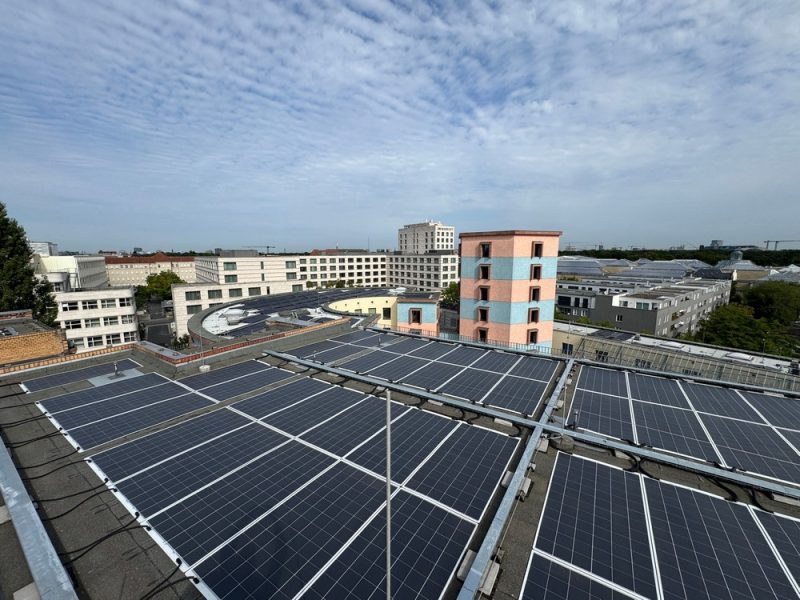
The solar industry has changed dramatically in recent years. What was once dominated by heavy, rigid systems is now shifting toward smarter, lighter solutions. Lightweight PV panels are at the center of that shift, making solar accessible to buildings and roofs that were previously considered unsuitable due to load limitations.
From residential homes to large commercial warehouses, lighter solar technology is opening new possibilities without compromising roof integrity, safety, or long-term performance.
Traditional solar systems were designed with strength in mind, not flexibility. Standard panels rely on thick glass, aluminum frames, and heavy mounting hardware. While effective, this approach limits where solar can realistically be installed. Many roofs simply weren’t built to carry that kind of load. That’s where lightweight PV panels come in. By rethinking materials, structure, and mounting methods, modern solar systems can deliver reliable performance with far less weight. Some are now considered among the lightest solar solutions available for rooftop installations.
At the core of these systems are advanced PV solar cells that deliver efficiency without relying on heavy framing. Instead of thick glass and bulky rails, lightweight designs focus on:
The result is a category of solar panels lightweight enough to work on roofs that would struggle with traditional systems.
Homes with older structures, complex roof shapes, or strict load limits often benefit from light flexible solar panels. These systems sit closer to the roof surface, reduce stress on the structure, and preserve the home’s appearance. They’re especially useful when homeowners want solar but don’t want major structural changes. In addition, in case there is a patio or pergola, homeowners can install lightweight PV panels as an additional space to generate energy from.
As for commercial and industrial roofs – warehouses, factories, and commercial buildings frequently face weight restrictions due to large roof spans and thinner decking. In these cases, traditional systems may require costly reinforcement or may not be approved at all.
Lightweight PV panels allow businesses to move forward with solar by lowering roof load and simplifying installation. This makes solar viable for many commercial roofs that were previously ruled out.
Flat roofs are common in commercial buildings, but they’re also sensitive to added weight from ballast systems. Lightweight solar solutions reduce the need for heavy racking while maintaining wind stability and drainage access. This is one of the fastest-growing use cases for light flexible solar panels today.
Roof weight affects everything from safety to cost. Heavier systems can lead to structural upgrades, longer approval processes, higher installation costs, and increased long-term risk.
By contrast, solar panels lightweight enough to meet strict load limits often move through planning and installation much more smoothly.
The rise of lightweight PV panels isn’t about replacing traditional solar everywhere; it’s about expanding where solar makes sense. As buildings age and design standards evolve, lighter systems offer flexibility without sacrificing performance.
For many projects, the smartest solar solution isn’t the biggest or heaviest one. It’s the one that fits the roof.
Solar is no longer a one-size-fits-all technology. With advancements in PV solar cells and system design, lightweight PV panels are reshaping what’s possible – from homes to warehouses and everything in between.
By reducing weight, simplifying installation, and protecting roof structures, lighter solar systems are helping more buildings transition to clean energy safely and efficiently. As solar continues to evolve, lighter really is smarter.
"*" indicates required fields
Where are lightweight PV panels typically used?
They are commonly used on commercial buildings, warehouses, and structures with weight-sensitive or complex architectural designs.
Can lightweight PV panels be installed on flat or weak roofs?
Yes. They are the perfect solution for these types of roofs. They are often chosen specifically for flat or structurally limited roofs where traditional panels are too heavy.
How much do lightweight solar panels weigh compared to standard panels?
Lightweight panels can weigh significantly less - often a fraction of traditional framed solar panels with racking. For example, Apollo's flexible and lightweight solar panel weighs 2.9kg / sqm.
Do lightweight PV panels require special mounting systems?
Yes. The installation is fast and easy, the mounting system is adhesive-based; before installation, the expert team considers the type of adhesion according to the roof type. In each case, this approach keeps the system lightweight and durable.
Build Smarter Energy Today & Discover Flexible Solar Solutions with Us
"*" indicates required fields