

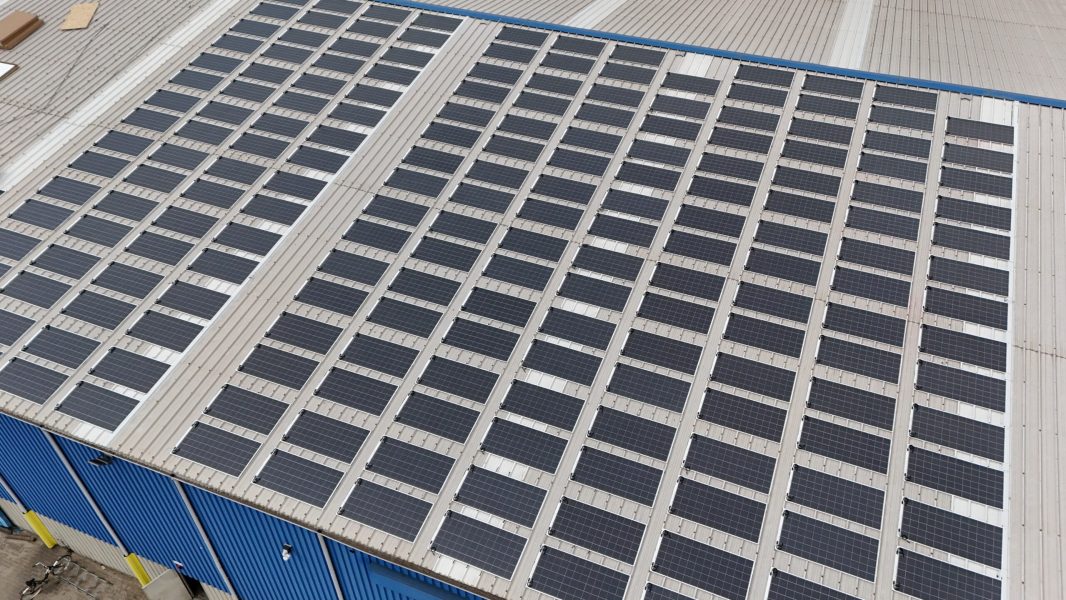
Installing solar panels for commercial buildings can be a smart long-term decision, but only if the system actually fits the building. Too often, commercial solar projects run into problems not because solar doesn’t work, but because the roof, structure, or installation method wasn’t fully considered upfront.
Before committing to a solar system for a commercial building, there are a few critical things every building owner, facility manager, and developer should understand. This guide is meant to help you ask the right questions before installation, so you avoid costly surprises later.
One of the biggest misconceptions about solar power for commercial buildings is that if a roof has enough space, it can support any solar system. In reality, many commercial roofs were never designed to carry heavy solar panels.
This is especially common in:
Old buildings and warehouses, large flat roofs with long spans, lightweight metal roof systems and buildings designed with tight structural load limits.
Traditional commercial PV panels, combined with racking and ballast, can add significant weight. In some cases, structural reinforcement is required, dramatically increasing costs or stopping projects entirely.
Commercial roofs are engineered with specific load assumptions. Adding a solar system without fully understanding those limits can lead to:
This is why many commercial solar projects stall during engineering reviews – the wrong type of solar was selected.
This is where lightweight solar solutions come into the picture. Lightweight solar panels are designed specifically for roofs that cannot support traditional solar systems. Instead of relying on heavy frames and racking, these systems focus on significantly reduced weight, durability, reliability, and aesthetics. For many buildings, lightweight systems make a commercial solar roof possible without structural upgrades.
When planning solar panels for commercial buildings, installation approach is just as important as panel efficiency. Key considerations include:
A solar system for a commercial building is a 25+ year investment. That means it must coexist with roof maintenance, service, future repairs or upgrades, etc.
Systems that block access, overload the roof, or require complex disassembly can become costly over time. Lightweight solar systems are often easier to manage long-term because they are simpler, less invasive, and roof-friendly.
Lightweight solar is often the best option when structural reinforcement is not feasible, the roof is aging, penetrations must be minimized, or installation speed matters.
In many cases, these systems allow businesses to move forward with solar power for commercial buildings when traditional solutions are not practical.
Before installing solar panels for commercial buildings, it’s essential to look beyond panel output and pricing. Roof structure, weight limits, installation method, and long-term maintenance all play a critical role in whether a project succeeds. Some asset owners are not even aware of such issues, and that must be considered.
For buildings that can’t support heavy systems, lightweight solutions – like those developed by Apollo – offer a practical, safer path to a reliable commercial solar roof.
"*" indicates required fields
What types of commercial buildings are suitable for solar panels?
Most commercial buildings can use solar, including warehouses, offices, retail centers, and industrial facilities. Roof condition and structural capacity are the key factors.
How much electricity can solar panels generate for a commercial building?
That depends on roof size, sunlight exposure, and system design. Many commercial installations can offset a large portion of a building’s annual electricity use.
Are solar panels cost-effective for commercial buildings?
Yes. Reduced energy bills, tax incentives, and lower operating costs often make commercial solar a strong long-term investment.
Do commercial solar panel installations require permits or approvals?
Yes. Most projects require local building permits, electrical inspections, and approval from the utility provider.
Build Smarter Energy Today & Discover Flexible Solar Solutions with Us
"*" indicates required fields


Meet Us at
Booth A2.450 is where the magic happens!
Discover our flexible, lightweight solutions.
Drop your details and let’s connect!
June 23–25, 2026 | Messe München, Germany